By clicking “Accept All Cookies”, you agree to the storing of cookies on your device to enhance site navigation, analyze site usage, and assist in our marketing efforts. View our Privacy Policy for more information.
Cookies & Privacy
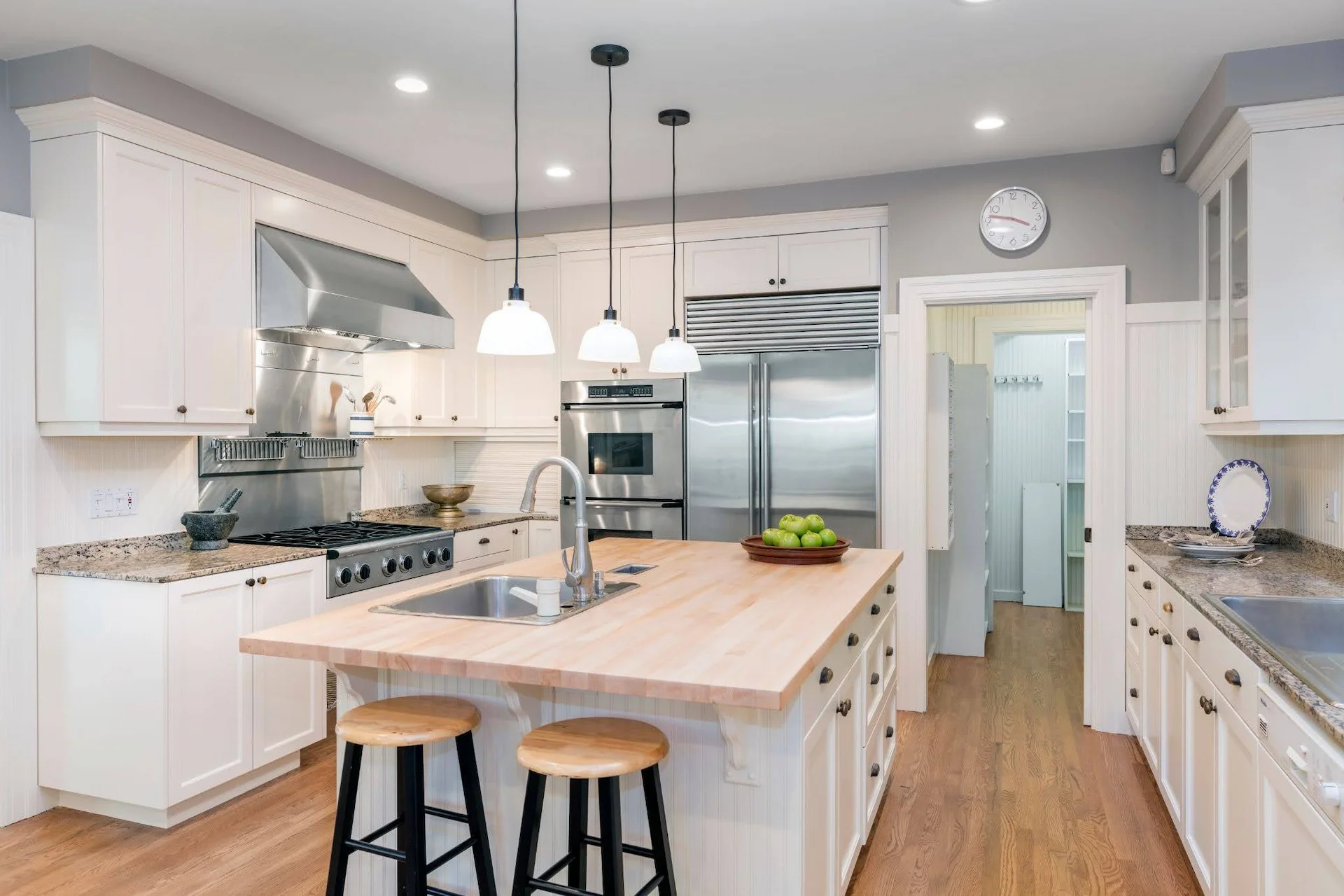
A flipped home can be appealing to buyers because a renovation professional can take care of all the updates to a home, refreshing it or bringing it up to modern standards and finishes. Updated kitchens, new flooring, fresh paint, modern fixtures, and renovated bathrooms can make a property feel move-in ready without the work that often comes with purchasing an older home.
But when buying a flipped home, it is important to look beyond the finishes.
Not all renovations are completed to the same standard. Some flipped properties undergo extensive improvements performed by experienced contractors with proper permits and attention to the home's underlying systems. Others may receive primarily cosmetic updates designed to make the property more attractive without addressing aging infrastructure or hidden problems.
If you're considering buying a flipped home, here are some of the most important things to evaluate before closing.
One of the biggest challenges with evaluating a flipped property is separating what looks new from what actually is new.
New cabinets, countertops, flooring, appliances, and paint are easy to see during a showing. The condition of the electrical system, plumbing, structure, drainage, roof, HVAC equipment, and other major components may be much less obvious.
Pay attention to the quality and consistency of the renovation.
Do doors and cabinets open and close properly? Are flooring transitions finished cleanly? Are fixtures securely installed? Do walls and ceilings show signs of previous moisture intrusion? Are outlets, switches, and plumbing fixtures functioning as expected?
Small workmanship issues do not necessarily mean there is a major problem with the home. However, repeated signs of rushed or incomplete work may be a reason to investigate the renovation more closely.
A professional home inspection can help buyers evaluate areas of the property that aren't immediately visible during a typical showing.
"Fully renovated" can mean very different things depending on the property.
Before purchasing a flipped home, ask for a detailed explanation of the work that was completed.
Important questions can include:
Understanding the scope of the renovation helps distinguish between a property that received substantial infrastructure improvements and one where most of the investment went into visible finishes.
Major renovations may require permits and inspections from the local municipality.
Ask the seller what work was permitted and whether documentation is available. Depending on the scope of the project, this could include electrical, plumbing, structural, mechanical, roofing, or building permits.
You can also ask who completed the work.
Was there a general contractor overseeing the renovation? Were licensed professionals used for electrical and plumbing work? Are invoices, permits, plans, or other records available?
Documentation does not guarantee that every aspect of a renovation is perfect, but it can provide valuable information about what happened to the property before it was listed for sale.
If substantial work was recently completed, ask whether any warranties come with it.
New appliances, roofing materials, HVAC equipment, windows, or other products may carry manufacturer warranties. Contractors may also provide warranties for certain types of workmanship.
Find out:
Do not assume that because something looks new, it will automatically be covered if a problem appears after closing.
A renovated interior does not necessarily mean the home's major systems are new.
This is particularly important with older properties.
A home may have a brand-new kitchen while still relying on older electrical service, plumbing, drainage systems, or mechanical equipment. Understanding the age and condition of these components can help buyers anticipate future maintenance and potential expenses.
Your home inspection should include an evaluation of accessible components of the home's major systems. Depending on the property, additional specialized inspections may also be worth considering.
Some of the most important components of a home are located underground.
A property can undergo a substantial interior renovation without replacing the sewer lateral or water service line connecting the home to municipal infrastructure.
Depending on the home's age, location, materials, and condition, these lines may warrant additional investigation.
A sewer scope, for example, can provide information about the condition of the sewer line that would not normally be visible during a standard home inspection. Issues such as root intrusion, deterioration, improper connections, or damaged piping can sometimes create significant expenses for homeowners.
Ask whether these underground utilities were inspected, repaired, or replaced during the renovation and whether documentation is available.
One of the most common issues seen in flipped homes is that the original cast iron drain line from the house to the sewer is left in place while much of the rest of the property is updated. Older cast iron piping can deteriorate over time, so a sewer scope is often worth considering when cast iron drain lines are present, especially in a recently flipped home.
Fresh finishes can sometimes make previous problems harder to spot.
Water staining may have been painted over. New flooring can conceal damaged subflooring. Finished basement walls can limit visibility into the foundation. New drywall can make it difficult to know what conditions existed before the renovation.
This does not mean buyers should automatically be suspicious of newly renovated areas. It simply makes documentation and a thorough inspection especially valuable.
An experienced home inspector will look for visible conditions that may indicate moisture intrusion, drainage problems, structural movement, improper installation, or other concerns that deserve additional investigation.
When touring a flipped home, it is easy to spend most of your time looking at the kitchen, bathrooms, bedrooms, and finishes.
Make sure the rest of the property receives the same attention.
The roof, attic, basement, crawlspace, foundation, grading, drainage, exterior siding, decks, porches, garages, driveways, retaining walls, and other exterior components can all affect the long-term ownership of the property.
These areas may not have received the same investment as the home's renovated interior.
A flipped home should be inspected just like any other property.
In some cases, a thorough inspection may be even more valuable because so much of the home has recently changed.
A home inspector can help evaluate the visible and accessible systems of the property, identify potential concerns, and provide additional context about components that may need maintenance, repair, or further evaluation by a specialist.
The goal isn't to determine whether a flipped home is "good" or "bad." It's to help you better understand what you're purchasing.
There are plenty of thoughtfully renovated flipped homes on the market. A recent renovation can also give buyers access to improvements they might otherwise have needed to complete themselves after purchasing the property.
The key is understanding what was actually done.
Look beyond countertops and paint. Ask about permits, contractors, warranties, major systems, and underground utilities. Review whatever renovation documentation is available. Most importantly, have the property independently inspected before you make one of the largest purchases of your life. A home inspector can help you determine whether you're looking at a great flip or, as the saying goes, a case of “putting lipstick on a pig.”
Buying a renovated or flipped home?
MKC Associates can help you take a closer look at the property before closing. Our inspectors evaluate the home's visible and accessible systems so you can move forward with a clearer understanding of its condition.
The MKC Team represents the collective expertise, experience, and dedication of the professionals at MKC Associates Home Inspection. The team operates with a collaborative approach, combining decades of experience in home inspection, construction, engineering, property management, and related fields to provide reliable and informative content for homeowners and buyers.
Contact MKC Associates to schedule your home reinspection and keep the purchase process moving quickly!
Schedule Now