By clicking “Accept All Cookies”, you agree to the storing of cookies on your device to enhance site navigation, analyze site usage, and assist in our marketing efforts. View our Privacy Policy for more information.
Cookies & Privacy
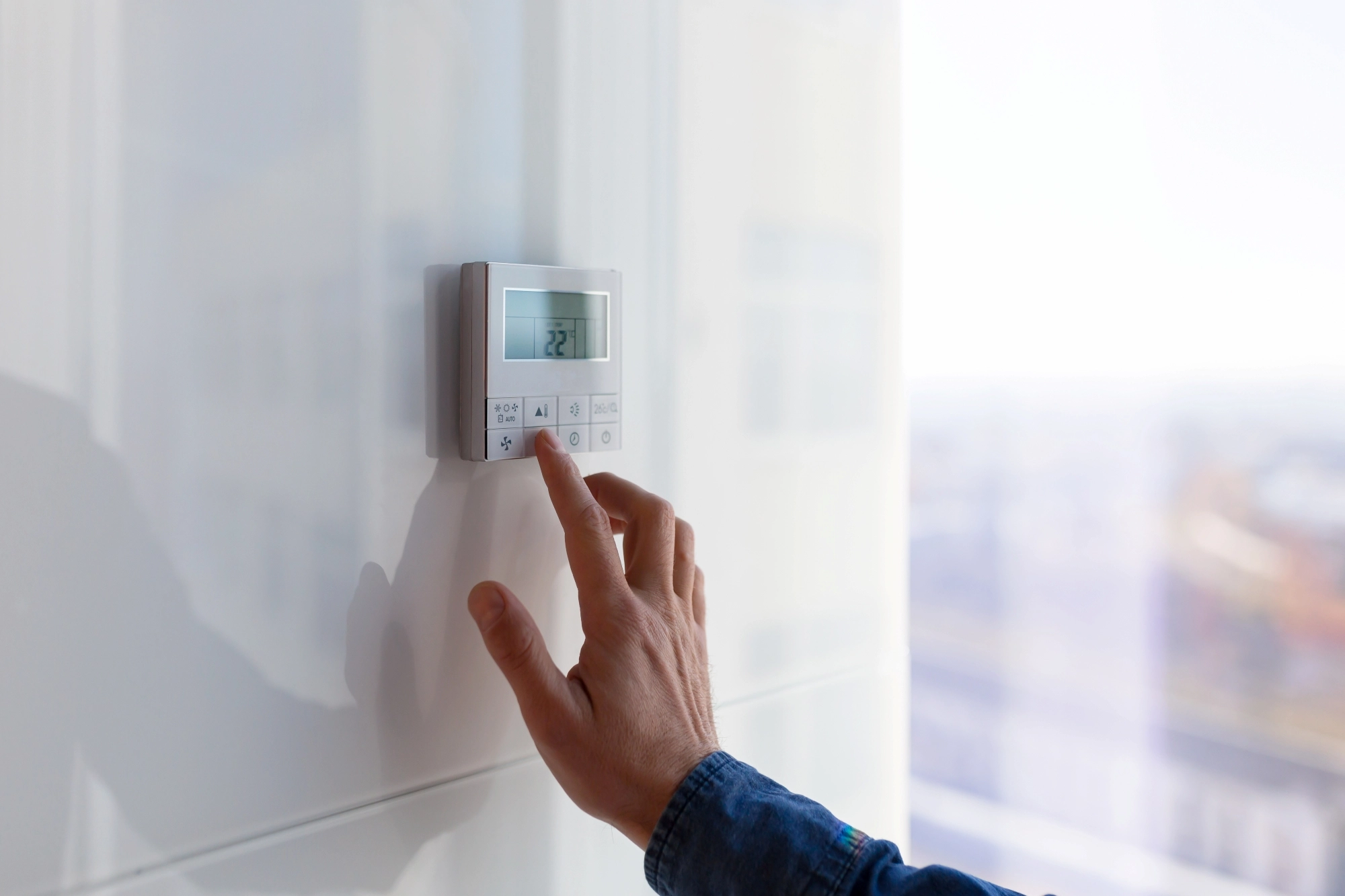
If you bought or built a new construction home, you probably expected clean, fresh indoor air and consistent comfort. Modern homes are built to be extremely airtight, which is great for efficiency, but it also creates a new problem. Because the home does not naturally “breathe,” the air inside often becomes stale, humid, and full of pollutants that cannot escape.
That is where an ERV comes in.
An Energy Recovery Ventilator, or ERV, is one of the most important systems in a modern home, yet most homeowners have only heard of it in passing. Once you understand what it is and how it works, the entire picture of indoor air quality and home performance becomes much clearer.
This guide explains what an ERV does, why it matters, how it improves health and efficiency, and what you should consider as a new homeowner.
Older homes leaked air naturally through cracks, gaps, and drafting pathways. This allowed outside air to enter the home and indoor air to escape, which was inefficient but did create some form of continuous air exchange.
Modern homes are different.
Today’s building codes require:
This is great for energy efficiency, but it also traps air inside the home. Without a dedicated system to bring in fresh air and move stale air out, new homes often experience:
Airtight homes solve one problem but create another. ERVs solve both.
An Energy Recovery Ventilator is a mechanical ventilation system designed to replace stale indoor air with fresh outdoor air in a controlled, energy-conscious way. It does this by exchanging heat (or cooling, depending on the season) and moisture between the two air streams so your home stays comfortable and your HVAC system does not work harder than it needs to.
At its core, an ERV has three main functions:
Moist, polluted, or stagnant air is exhausted outdoors.
Fresh air enters your home through a controlled duct system.
This keeps the indoor environment stable without wasting energy.
In winter, outgoing warm air preheats the incoming cold air.
In summer, outgoing cool air pre conditions the incoming hot air.
This is what makes an ERV far more efficient than simply opening a window.
Inside the ERV unit is a special core that allows heat and moisture transfer without mixing the two air streams directly. As stale air leaves the home, it passes through one side of the core. Fresh air passes through the other side, picking up energy from the outgoing air.
The ERV is usually connected to:
Your ERV runs continuously at a low speed to maintain balanced ventilation throughout the day. Some systems increase airflow automatically when humidity rises, such as during a shower or while cooking.
This creates a predictable, controlled indoor environment that does not rely on leaks or open windows.
Indoor air quality is one of the most important benefits of an ERV. Tight homes trap everything inside. Without mechanical ventilation, pollutants can build up quickly. ERVs help with:
New homes are very good at holding moisture. ERVs keep humidity in the healthy range of 30 to 50 percent so mold and condensation are far less likely to develop.
Paints, carpets, cabinetry, flooring, and new construction materials release chemicals over time. An ERV constantly moves these out of the home.
High indoor CO2 levels can cause headaches, fatigue, and poor sleep. ERVs ensure consistent fresh air circulation.
An ERV brings in outdoor air that has passed through filters rather than allowing random air leakage into the home from dusty spaces.
For households concerned about asthma, allergies, or general wellness, an ERV is one of the most valuable systems in the building.
A common concern is whether bringing in outdoor air wastes energy. With an ERV, it does not.
An ERV reduces waste by:
According to the U.S. Department of Energy, whole house ventilation systems, including Energy Recovery Ventilators, help energy efficient homes maintain healthy indoor air quality without wasting conditioned air. These systems are recommended in tight new construction because they provide consistent fresh air while reducing the load on heating and cooling equipment.
Source: U.S. Department of Energy, “Whole House Ventilation"
By conditioning the incoming air before it reaches the HVAC system, ERVs help stabilize indoor temperatures and reduce how often your equipment needs to run.
This leads to:
ERVs make fresh air part of your efficiency plan, not a contradiction to it.
If your home has an ERV or you are thinking about adding one, here are a few key points to keep in mind:
Dirty filters block airflow and reduce efficiency. Most need replacement or cleaning every three to six months.
A technician must ensure the amount of air entering equals the air leaving.
ERVs are designed to operate at low speed all day. Turning them off defeats their purpose.
If humidity consistently stays above 55 percent indoors, your ERV may need adjustment or additional dehumidification support.
A well designed ERV system supports the entire home, not just one room.
A new construction home is designed to be tight, efficient, and comfortable, but that level of airtightness makes proper ventilation essential. An ERV gives your home a steady supply of clean, filtered air while controlling moisture and supporting your HVAC system. When it is installed correctly and maintained the right way, it protects your health, keeps humidity balanced, and helps you avoid the hidden problems that come with stagnant indoor air.
If you want to understand if you have an ERV, or if installing one might be a good solution for you, MKC Associates can help. We evaluate your ventilation system, check for common issues, and guide you toward solutions that keep your home clean, healthy, and energy efficient.
The MKC Team represents the collective expertise, experience, and dedication of the professionals at MKC Associates Home Inspection. The team operates with a collaborative approach, combining decades of experience in home inspection, construction, engineering, property management, and related fields to provide reliable and informative content for homeowners and buyers.
Contact MKC Associates to schedule your home reinspection and keep the purchase process moving quickly!
Schedule Now