By clicking “Accept All Cookies”, you agree to the storing of cookies on your device to enhance site navigation, analyze site usage, and assist in our marketing efforts. View our Privacy Policy for more information.
Cookies & Privacy
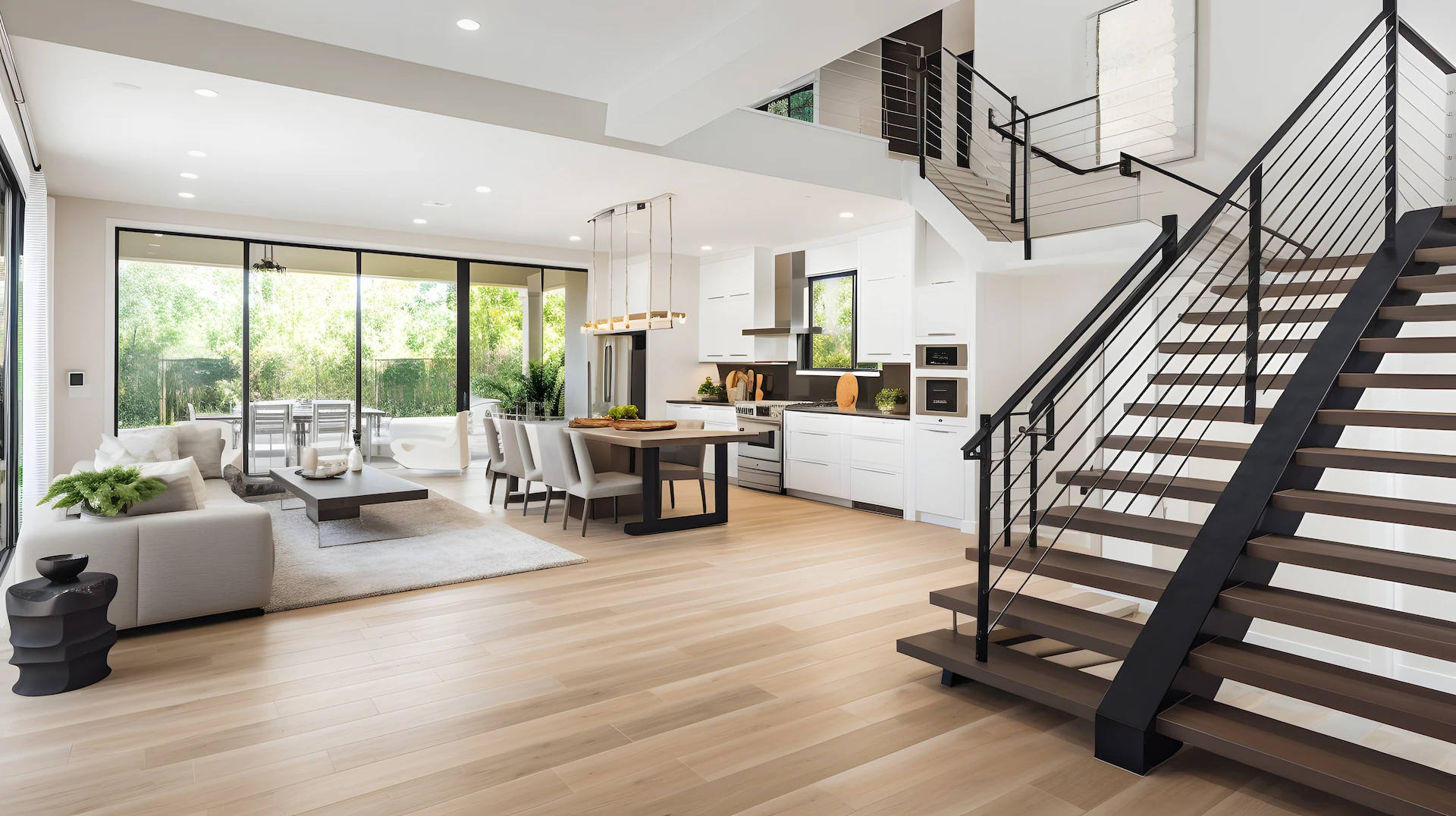
One of the most common things we hear when someone schedules a new construction inspection is, “It’s new construction, so it should be quick.” That assumption often carries an expectation that the inspection should also be cheaper or simpler than an inspection on an older home. The house looks immaculate. Everything is brand new. From the buyer’s perspective, it can feel like the inspection is just another step to get through before closing. In reality, new construction inspections are one of the most misunderstood and undervalued parts of the home buying process.
New homes create a powerful visual bias. Fresh finishes and unused systems signal that nothing could possibly be wrong. Buyers, and sometimes real estate agents, expect the inspection to be fast and uneventful. That expectation often leads to pressure around pricing, scope, or timing. But inspections are not priced based on how clean a home looks. They are priced based on the work required to evaluate it properly. A brand-new home is not a finished product in the way most buyers imagine. It is the result of many subcontractors working on overlapping schedules, often under pressure to meet delivery deadlines. That reality matters far more than how new the house appears.
We recently inspected a roughly 5,000 square foot new construction home that looked pristine. The buyer requested a discount because the home was “immaculate,” and we applied our customary new construction courtesy discount. After that, the buyer came back requesting additional discounting. The underlying assumption was clear. The inspection was being viewed as a formality rather than a critical part of the process. We declined the additional discount, not because of policy or ego, but because reducing the value of the inspection would ultimately hurt the buyer. A cheaper inspection does not save money if it produces a weaker punch list. In cases like this, buyers often end up hiring a less thorough inspector, receiving a less detailed report, and walking away with fewer documented issues. The result is usually frustration later, when problems surface and there is no leverage left to address them.
When buyers push for faster or cheaper inspections on new construction, it is usually because they misunderstand what they are paying for. You are not paying simply for time on site, or for reassurance that everything looks fine. You are paying for documentation. Specifically, you are paying for a clear, defensible punch list that identifies incomplete work, substandard installations, safety concerns, and items that require correction before closing or during the warranty period. Builders respond to documentation. They do not respond to vague concerns or general impressions. For new construction, the inspection report itself is not the product. The punch list is.
New homes do not fail because they are old. They fail because they are built fast. Many of the most common issues we find in new construction have nothing to do with wear or age. They involve incomplete installations, systems that have not been fully commissioned, safety components that were overlooked, or work that was rushed to meet a deadline. Many of these issues are invisible to buyers. Some are hidden behind finished surfaces. Others only become apparent when systems are tested properly. A home can look perfect and still have meaningful deficiencies that affect performance, safety, or durability. This is exactly why new construction inspections often require more detail, not less.
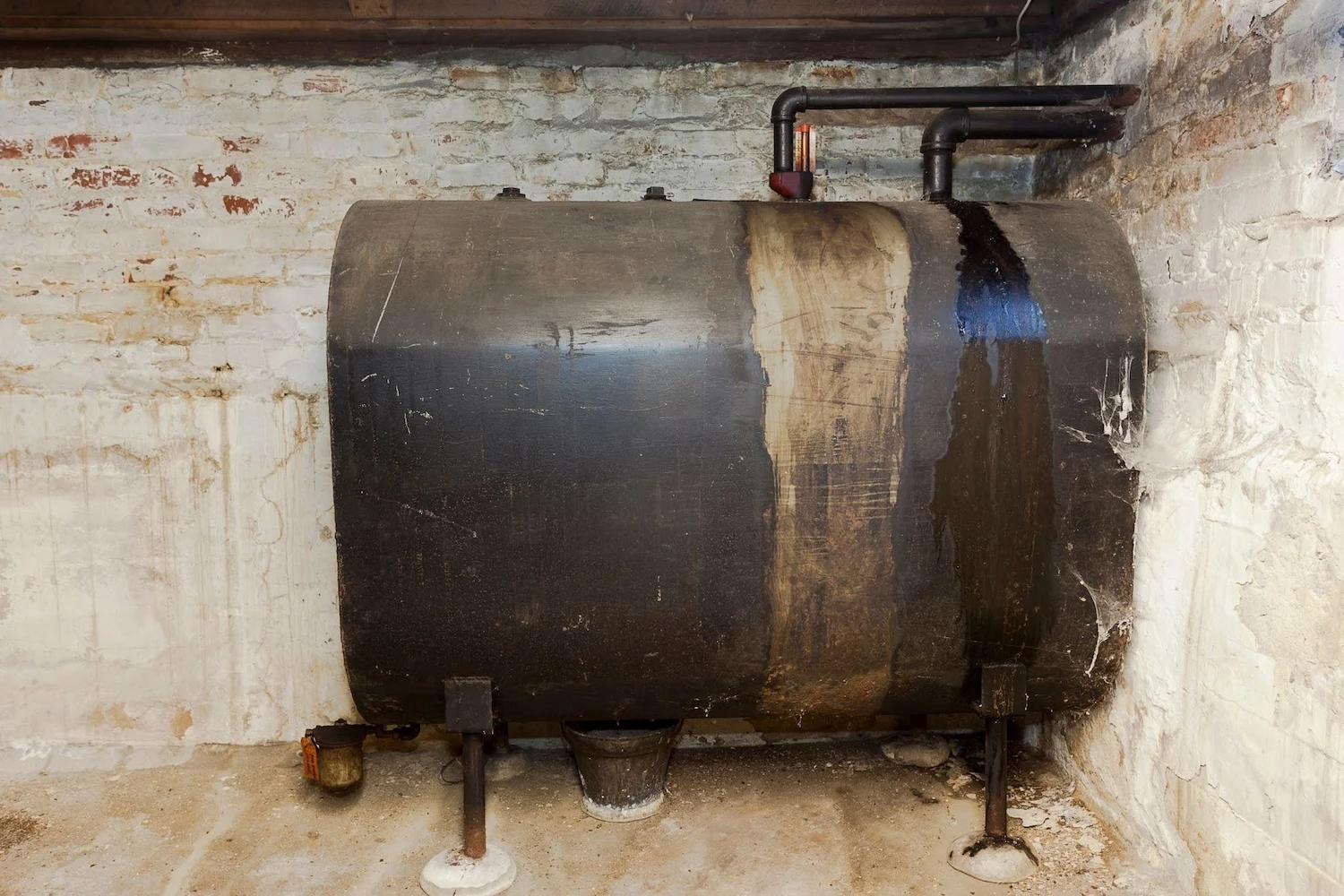
Here are some real-world examples of issues and conditions observed on new construction inspections:
When an inspection is rushed or discounted beyond reason, something always gives. Fewer systems are tested thoroughly. Fewer findings are documented clearly. Reports become shorter and less specific. That leads to a weaker punch list, which in turn leads to pushback from the builder. Builder pushback almost always shows up after closing, when leverage is gone and warranty timelines are already running. The buyer who saved a few hundred dollars on the inspection often ends up spending far more later, either living with unresolved issues or paying out of pocket to correct them.
The most important factor in a new construction inspection is timing. This is often the buyer’s last opportunity to document issues before final payment and before warranty clocks begin to expire. A thorough inspection protects buyers not just at closing, but months or years later when questions arise about responsibility and workmanship. Clear documentation matters. This is not about being overly picky or creating conflict. It is about being precise and professional at the point when it matters most.
A new construction inspection is not something to get through. It is one of the most valuable steps in the entire buying process. It is not faster because the home is new, not cheaper because it looks perfect, and not less important because no one has lived there yet. A thorough inspection helps ensure that your brand-new home actually meets the standard you are paying for. It gives you a punch list that carries weight and protects you long after the keys are handed over. That is the value of doing it right the first time.

Morgan Cohen is a licensed home inspector and the owner of MKC Associates, which he founded in 2005. With a background in carpentry, restoration, and renovation, he has completed over 2,700 home inspections in Massachusetts, specializing in clear communication and detailed service. A past Education Chair of the New England Chapter of ASHI, Morgan is passionate about educating clients, improving homes, and continuing his work in home renovation.
Contact MKC Associates to schedule your home reinspection and keep the purchase process moving quickly!
Schedule Now