By clicking “Accept All Cookies”, you agree to the storing of cookies on your device to enhance site navigation, analyze site usage, and assist in our marketing efforts. View our Privacy Policy for more information.
Cookies & Privacy

This is probably one of the most common questions homeowners ask after moving into a house.
Something breaks. A leak appears. A contractor comes in and points out an issue. Suddenly the first thought becomes:
“Why didn’t my home inspector catch this?”
Sometimes that question is completely fair. Sometimes it is not.
The reality is there are a lot of reasons why problems show up after a home inspection, and it does not automatically mean the inspector missed something obvious or did a bad job.
In many cases, the issue genuinely was not visible at the time of the inspection. Other times, the issue actually was documented somewhere in the report, but the buyer did not fully realize the significance of it at the time.
And yes, sometimes inspectors do miss things too.
The important part is understanding how home inspections actually work and what can realistically be expected from them.
This is one of the biggest misunderstandings people have about home inspections.
A home inspection is primarily a visual inspection of the readily accessible systems and components of the house on the day of the inspection.
Inspectors are not opening walls. They are not moving furniture. They are not emptying garages or storage rooms. They are not dismantling systems or performing destructive testing.
Most inspections also happen while the home is occupied, which creates limitations right from the start.
People have boxes stacked against basement walls. Closets are packed full. Garages are crowded with storage. Attics may be difficult to access. Rugs, furniture, shelving, and stored belongings can block visibility throughout the house.
That means certain defects or warning signs may simply not have been visible during the inspection.
Houses change over time. Something can work perfectly during the inspection and then fail a month later.
That does not necessarily mean anyone did anything wrong.
This happens all the time with older water heaters, heating systems, sump pumps, plumbing fixtures, appliances, or roofs that are already near the end of their life expectancy.
Sometimes ownership changes also create conditions where problems suddenly appear.
A house may sit vacant for a period of time before the new owners move in. Then systems that were not being heavily used suddenly start running constantly again. Heating systems cycle differently. Plumbing gets regular use again. Air conditioning starts operating daily.
Issues can appear without much warning once the home becomes fully occupied again.
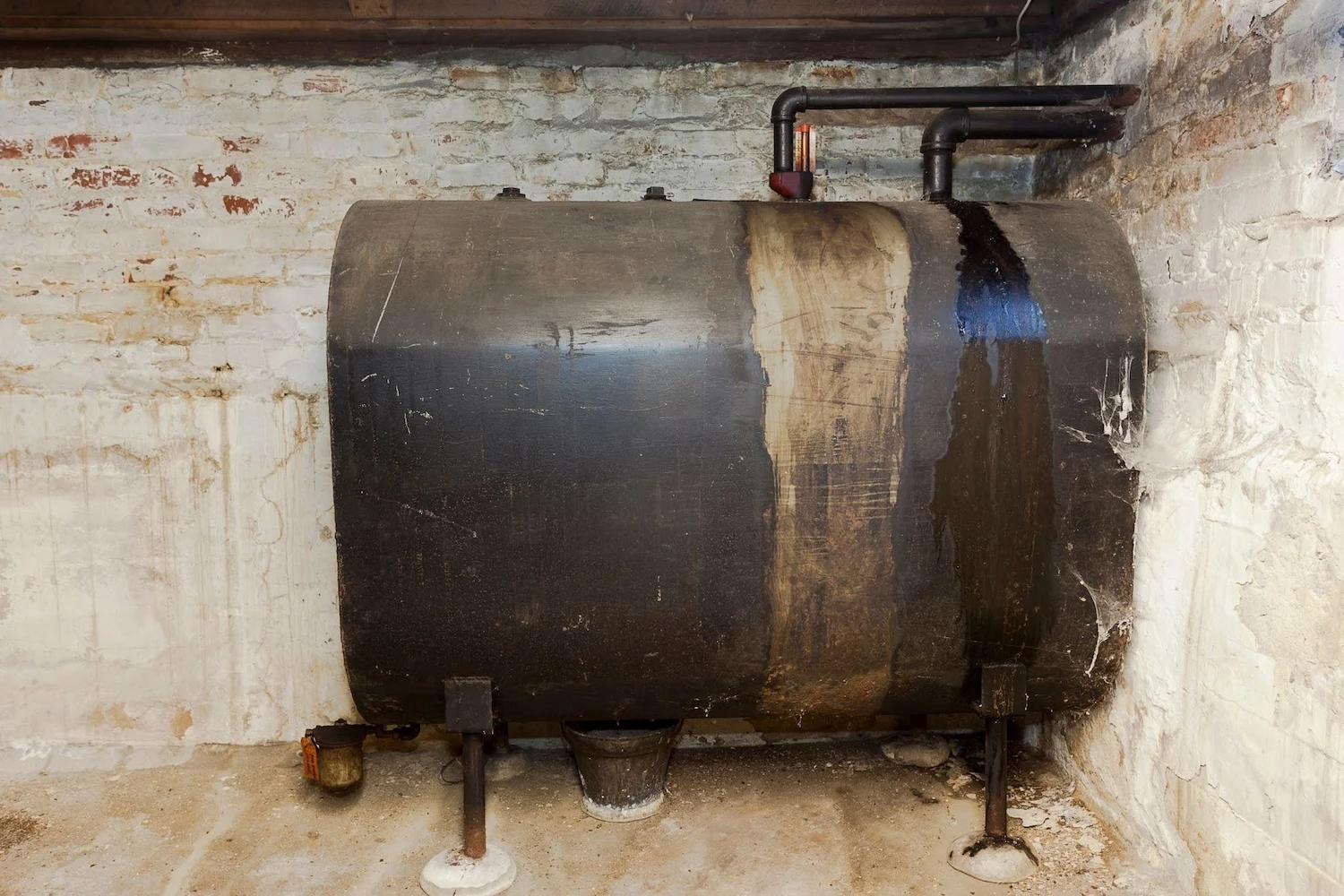
A surprising number of issues are hidden during inspections simply because the inspector cannot physically see them.
Foundation cracks may be concealed behind storage. Water staining may be hidden behind finished walls or ceiling coverings. Electrical concerns may exist inside inaccessible panels or junction boxes. Moisture issues may be hidden beneath rugs, stored items, or finished surfaces.
This is why preparing the house properly for inspection actually matters a lot.
A good buyer’s agent should communicate clearly with the seller beforehand to make sure the property is ready for the inspection.
That means:
You would be surprised how often inspectors run into homes where important systems simply cannot be fully evaluated because access is blocked.
This does happen. Not every home inspector works the same way.
Some inspectors are extremely detailed and methodical. Others move through inspections quickly and provide very limited information.
That is why buyers should take time to vet their inspector before hiring them.
Look at reviews. Ask friends or family. Ask your agent who they trust and why. Read sample reports if they are available.
A good sample report should be detailed, organized, and easy to understand. If an inspector refuses to provide a sample report or has consistently poor reviews online, those are legitimate red flags.
The cheapest inspector is not always the best value.
This happens more often than people realize.
Home inspection reports are usually long. Some can easily exceed 60 or 80 pages depending on the size and condition of the house.
Buyers are often overwhelmed during the process. There are attorneys, lenders, moving logistics, insurance, negotiations, and a thousand other things happening all at once.
Sometimes important findings get overlooked.
Inspectors also document a lot of information in reports, including smaller maintenance concerns that may not seem serious at the time but can become larger problems later if ignored.
That small moisture stain in the basement may not have looked like a huge issue during the transaction, but six months later it may become a much larger water intrusion problem.
That does not necessarily mean the issue was missed.
After the inspection, buyers should take time to sit down and carefully review the report in detail. It is also not a bad idea to have family members, contractors, or trusted friends review it as well.
You should come away from the inspection understanding the overall condition of the house and what major concerns may need attention over time.
This is another extremely common situation.
A homeowner hires a contractor for a repair, and the first thing the contractor says is:
“Your home inspector completely missed this.”
Sometimes that may be true.
But sometimes contractors use this as a sales tactic to make the problem sound bigger, more urgent, and more expensive than it actually is.
Unfortunately, this happens more than people think.
Some contractors know homeowners are already stressed about repairs, and blaming the inspector immediately builds credibility for themselves while making the homeowner feel like they were previously misled.
That does not mean every contractor is dishonest. Far from it.
But homeowners should absolutely get multiple quotes for larger repairs and avoid treating the first opinion as absolute fact.
It is also completely reasonable to call your home inspector and ask questions.
Ask:
Sometimes a quick conversation with the inspector provides important context that can save homeowners from unnecessary panic or overly aggressive repair recommendations.
Home inspections are extremely valuable, but they are not magic.
Inspectors are evaluating a home visually on a single day under whatever conditions exist at that moment. They cannot predict every future failure, see through walls, or uncover defects that are completely concealed from view.
That said, hiring a thorough and reputable inspector matters tremendously. So does properly preparing the house for inspection and carefully reviewing the report afterward.
And when issues come up later, try not to jump immediately to the conclusion that the inspector failed.
Sometimes they did.
But many times, the full story is more complicated than that.
The MKC Team represents the collective expertise, experience, and dedication of the professionals at MKC Associates Home Inspection. The team operates with a collaborative approach, combining decades of experience in home inspection, construction, engineering, property management, and related fields to provide reliable and informative content for homeowners and buyers.
Contact MKC Associates to schedule your home reinspection and keep the purchase process moving quickly!
Schedule Now