By clicking “Accept All Cookies”, you agree to the storing of cookies on your device to enhance site navigation, analyze site usage, and assist in our marketing efforts. View our Privacy Policy for more information.
Cookies & Privacy
For many homeowners, an old house carries a certain charm. Character, craftsmanship, and history are often part of the appeal. But the comfort is not always included. If your older home never seems to hold a consistent temperature, feels drafty in winter, stuffy in summer, or constantly leaves you wondering where your energy dollars are going, it is not your imagination. Older homes were simply not built with modern building science in mind.
The truth is that most old homes struggle with two interconnected issues: uncontrolled air leakage and insufficient insulation. Together, these create a comfort and efficiency problem that no thermostat adjustment can fix on its own. Understanding why this happens and what you can do about it is the first step toward making your home healthier, more comfortable, and far more cost effective to live in.
Before the 1970s, houses were not designed to be airtight structures. Builders used materials and techniques that, by today’s standards, allow large amounts of air to move freely through walls, attics, basements, and everything in between.
Common leakage points include:
This uncontrolled movement of air means your heated or cooled air does not stay inside your home. As it leaks out, new air is pulled in from the basement, crawlspace, attic, or outdoors. The result is a home that never feels stable or predictable.
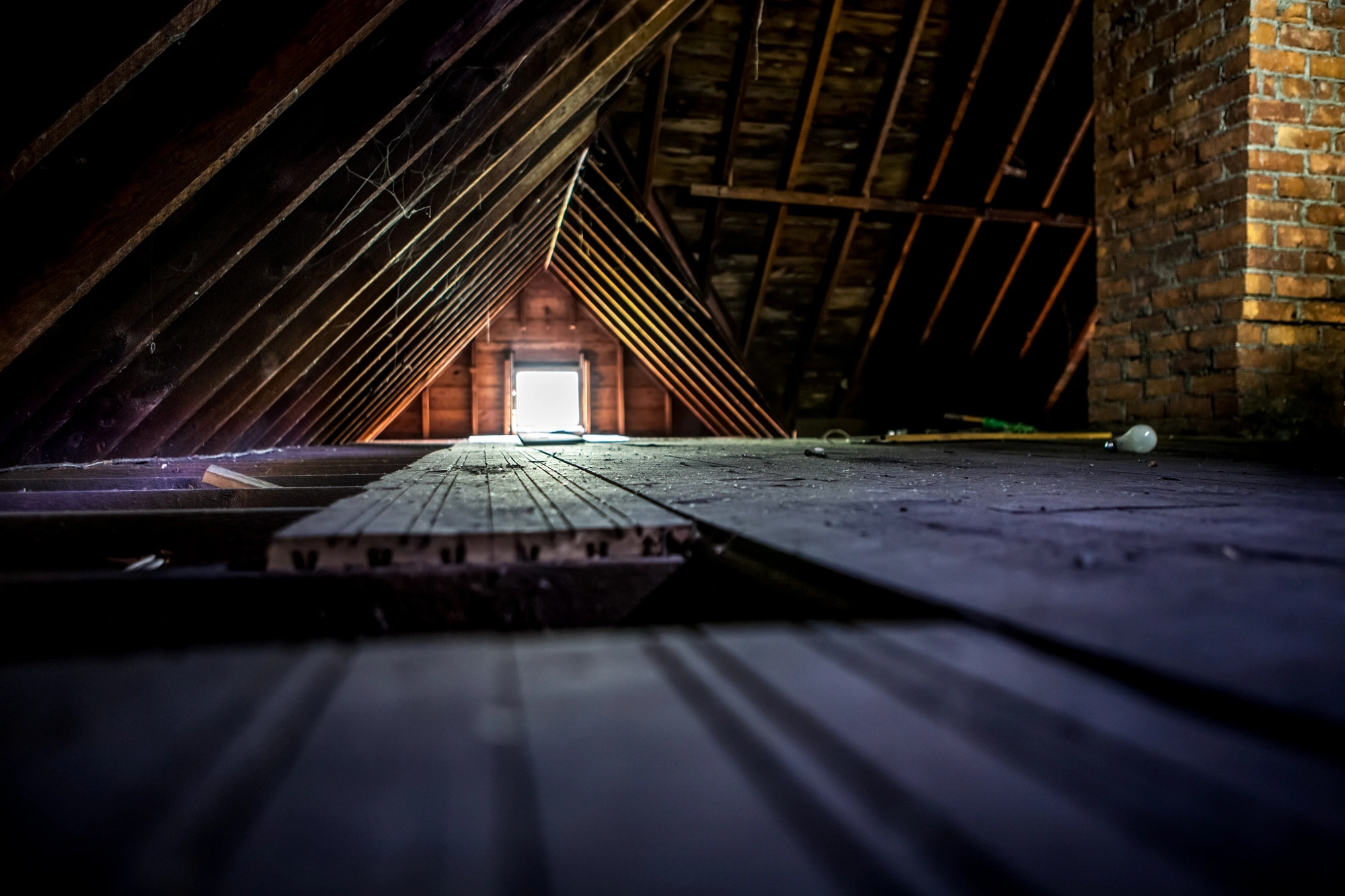
Many older homes have little to no insulation where it matters most:
Even when insulation is present, it often does not meet modern standards. It may have been installed incorrectly or has settled over time.
Insulation without air sealing also performs poorly. Think of wearing a warm coat on a windy day. If the wind blows through it, the insulation does not help much. Your home works the same way.
Drafts do not mean good ventilation. The air that moves through a leaky home is not controlled or filtered. Instead, old homes often experience a phenomenon called the stack effect, where air moves vertically through the house.
This can create:
This constant movement does not just affect comfort. It affects the quality of the air you breathe. If your home is pulling air from a damp basement or dusty attic, those particles enter your living space.
The result is stale air where you do not want it and outside air entering where it should not.
Every bit of uncontrolled airflow forces your heating and cooling system to work harder. Even if you have upgraded to modern equipment, a leaky home will undermine its performance.
Common signs include:
A well sealed and well insulated home can reduce energy waste significantly. According to the U.S. Department of Energy, homeowners can often cut heating and cooling costs by 20 percent to 40 percent after properly sealing air leaks and adding insulation.
Source: U.S. Department of Energy, Air Sealing Your Home https://www.energy.gov/energysaver/air-sealing-your-home
These savings compound year after year, making air sealing and insulation one of the highest return on investment improvements you can make to an older home.
The good news is that improving an older home's comfort and efficiency is entirely possible, and it does not require tearing walls open or replacing every window.
The most effective approach usually follows this order:
Stop uncontrolled airflow before adding insulation. Priority areas include:
Air sealing immediately stabilizes temperatures and reduces drafts.
Once airflow is controlled, insulation can work as intended. Key areas include:
Together, these upgrades dramatically improve comfort.
Unlike new homes, most older homes do not need mechanical ventilation systems such as ERVs. The goal is not to make the home airtight like new construction. It is to bring the home to a healthy, efficient baseline. After air sealing and insulation, the home still breathes naturally through normal pathways, but without drafts or wasted energy.
Old homes have character, but they were not built for comfort or efficiency. Air leaks, missing insulation, and uncontrolled airflow create a house that is difficult to regulate, expensive to heat or cool, and not always healthy to live in. With a smart, targeted approach that starts with air sealing and strategic insulation upgrades, you can make an older home feel stable, clean, and consistently comfortable.
If you are ready to make your old home more comfortable and energy efficient, MKC Associates can help. We identify the true causes of comfort issues, create a clear plan for improvement, and guide you toward the right long term solutions for your home.

The MKC Team represents the collective expertise, experience, and dedication of the professionals at MKC Associates Home Inspection. The team operates with a collaborative approach, combining decades of experience in home inspection, construction, engineering, property management, and related fields to provide reliable and informative content for homeowners and buyers.
Contact MKC Associates to schedule your home reinspection and keep the purchase process moving quickly!
Schedule Now