By clicking “Accept All Cookies”, you agree to the storing of cookies on your device to enhance site navigation, analyze site usage, and assist in our marketing efforts. View our Privacy Policy for more information.
Home Maintenance Tips - How to take care of your home - the basics:
Taking care of your house is critical to extending the lifespan of systems, components, and other elements. The more you do on a regular basis, the longer these systems will last, and you’ll delay big-ticket expenses. Also see below for safety and energy upgrades.
In the Fall:
Have your gutters and downspouts cleaned at the end of the fall.
Take a quick look at your roof in the fall - see if you can spot any damaged or blown-off shingles.
Make sure the downspouts are diverting away from the foundation, and/or onto a sloping grade away from the building.
Check to see if downspouts have shifted at all and are properly connected to the gutters
Turn off the outdoor faucets for the winter, and have your lawn irrigation system winterized (if you have one).
Trees: Check for any weak limbs and damaged or unhealthy trees that might cause damage during a winter storm. Have any overhanging tree limbs removed/pruned.
Take a look at your window wells, remove debris
Ensure that the slope all around the home is draining away from the home
Every six months:
Change the air filters in your HVAC system (more frequently as desired, and/or if you use 90-day filters)
Check and test GFCI and AFCI breakers and outlets (by pressing “test” and resetting the breaker or resetting the breaker)
Annually:
Change the batteries in your smoke and carbon dioxide detectors. If you haven’t checked to see if you have the right kinds, in the correct locations, click here.
Check your fire safety plan - do you need any new items - like an emergency fold-out ladder to get down from any upper rooms in the home? Do you know where fire extinguishers are located? Are they still operational? Do you have a fire blanket in case an item on the stove catches fire?
Have an annual service for your heating system completed by an HVAC or plumbing and heating Pro.
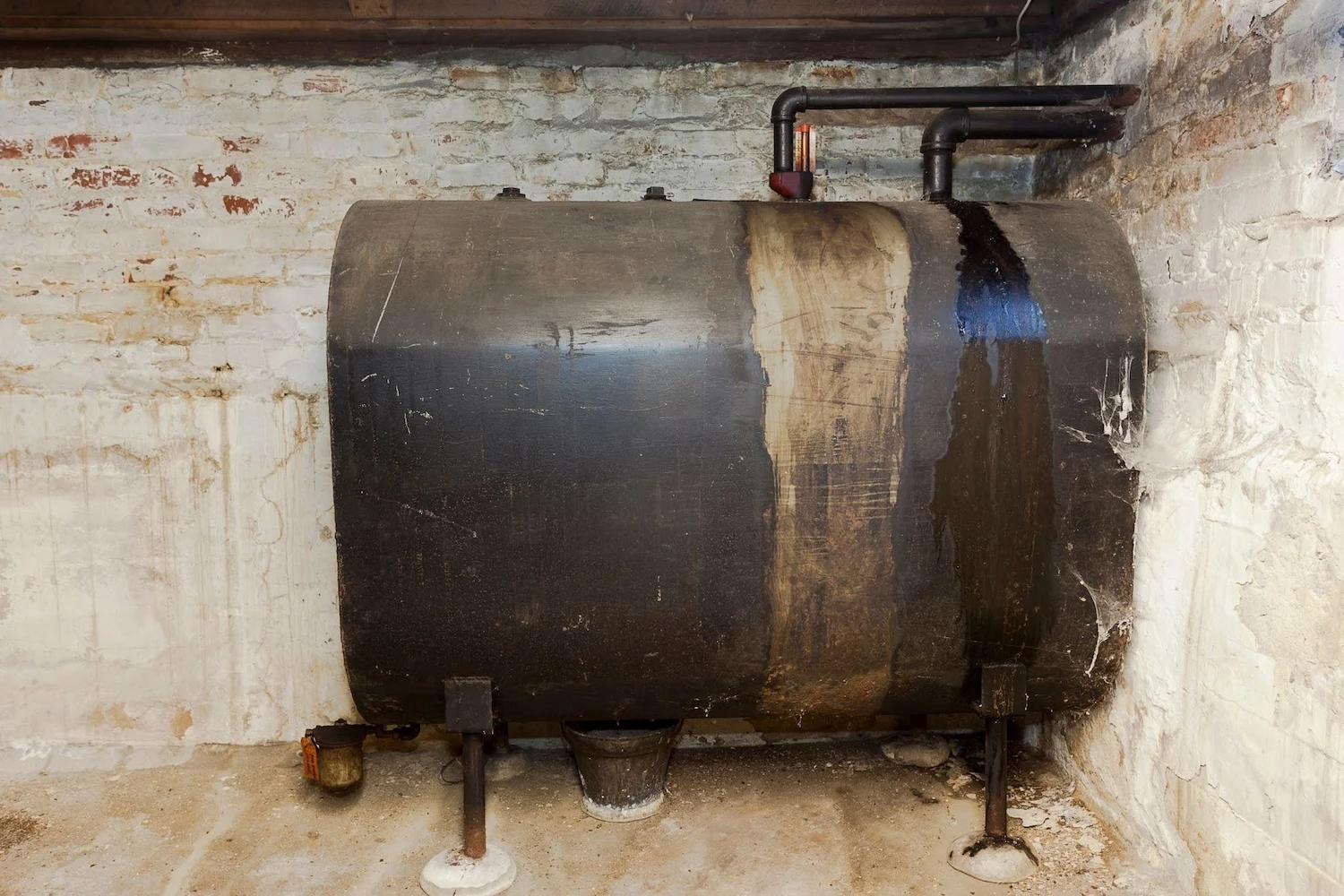
If you have an oil system, have the tank checked for damage or leakage and replace as needed. Have the burner serviced and the combustion chamber and system cleaned, oil filter and nozzle replaced.
Do a tour of your basement, and any other areas that have systems or appliances: visual check at all appliances for any leaks (water heater, boiler, laundry, dishwasher, refrigerator). Anything dripping or rusting should be repaired before it gets worse.
Check around the perimeter of your basement - look for water, dampness, any changes in the foundation, any cracks or damage.
Outside, do a sweep of the yard - look for areas of harborage for rodents. Look for holes near the home, droppings (Mouse = rice-sized, Rat = thin toothpaste size) - if there are any areas with accumulated droppings, there is likely a nest nearby.
Check the siding for flaking and peeling paint, signs of rot
Look at all of your vents on the sidewall of the home- are all the flaps working, are they all intact?
Have your dryer vent cleaned by a dryer vent pro.
Has anything changed in the home - like doors now rubbing, windows not opening as well, any new cracks in the walls?
Check under your sinks and around toilets, shower valves - any leaks or dripping when they are in use?
Safety Upgrades:
There are lots of ways to improve the safety of your home, here are a few to look out for that can help:

Make sure all the outlets in wet locations are GFCI-protected - upgrade them or the circuits in the panel if not. This helps protect you from electric shock.
Make sure the living area circuits are AFCI protected - this helps protect against fire.
Check your pathways and steps, stairs, and other area ways - are there handrails at steps, guardrails at any falling hazard areas?
If you have any below-grade living space, do the windows allow opening and safe egress (escape) in the event of a fire? If not, have a contractor make this much-needed safety improvement.
Energy Upgrades:
Firstly, check with Mass Save - they can provide a free home energy audit on your home and give you tips as well as inform you about programs in place to help you lower your cost fro energy and energy efficient upgrades to your home.
Weatherization: Improve all the openings in your home - doors, windows, garage doors, doors from the unconditioned spaces to the conditioned spaces, to minimize draft, airflow, and heat loss
Insulation: Improve insulation in any of the accessible unfinished/unconditioned spaces of your home. Consider improving your exterior home envelope if you are living in a very old home - this can make a big difference (but is a more significant project)
Air sealing: this goes with insulation - air sealing is sealing off areas where airflow (and heat loss) is occurring: for example around chimneys in the attic, pipe penetrations, wall cavities, and other areas. Consult with an insulation provider for this very helpful, low-cost improvement.
Windows: Have someone evaluate your windows - are they old, single pane, or insulated? How old are they? If you have old single pane windows, reconditioning and improving the hardware and operation, as well as adding weatherstripping, can go a long way at low cost to improving your comfort and energy efficiency. If you don’t have storm windows, and you have single pane windows in decent condition, consider adding good quality storm windows.
Where else is air leaking - ? Are there gaps around pipes and wires? Holes in the siding? Are the basement windows in poor condition and allowing airflow? Are you closing your fireplace damper when not in use? Do you have old chimneys no longer in use? In the basement,, look for areas with lots of spider webs, that’s where there’s likely more airflow (i.e. inefficient).
The biggest improvements to your energy efficiency and the amount you spend heating and cooling your home may come from improving the building and insulation, not necessarily upgrading the equipment. However, if you have some money set aside for improvements and you have a very old heating system - consider making a change there.
meet the author
MORGAN COHEN
Morgan Cohen is a licensed home inspector and the owner of MKC Associates, which he founded in 2005. With a background in carpentry, restoration, and renovation, he has completed over 2,700 home inspections in Massachusetts, specializing in clear communication and detailed service. A past Education Chair of the New England Chapter of ASHI, Morgan is passionate about educating clients, improving homes, and continuing his work in home renovation.